

The reasonable objections to having a biodigester in a kitchen are predictable: if there is organic matter decomposing inside, won’t it smell, attract vermin and break as soon as a fork falls into it? These are three legitimate concerns, and the answer to each is a specific control system.
Technology and operation
How an aerobic biodigester works internally: the process, the microorganisms and the system’s performance.
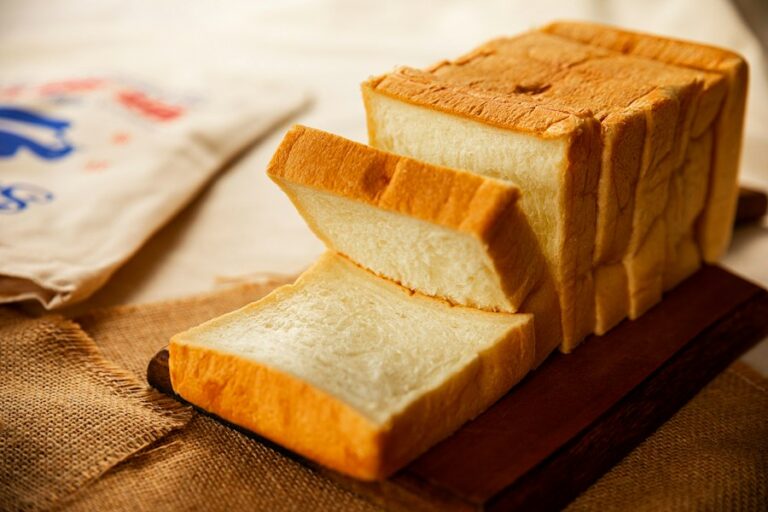
How long it takes to digest each food: the complete table
«In less than 24 hours» is the figure usually quoted, and it is true for most of what goes into a kitchen. However, the average masks significant variations: digestion time depends on the composition of the waste, and it is advisable to be aware of these differences before selecting the appropriate equipment.
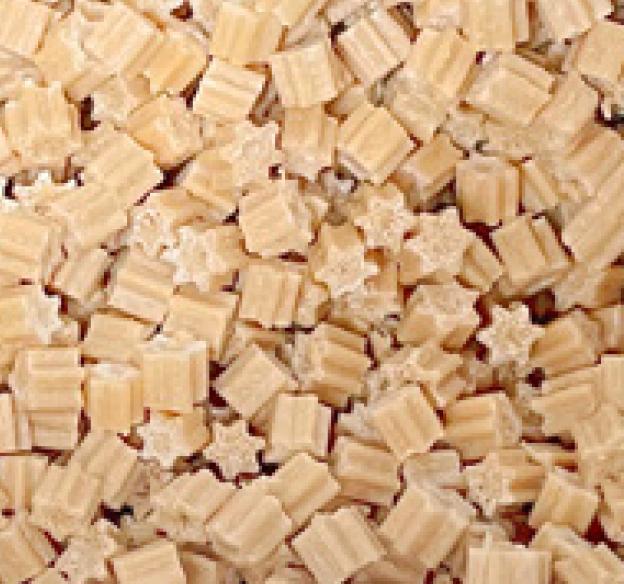
The two components that make a Biorgmax work
Inside the digestion chamber, there are two things in addition to the waste: a support material and a population of microorganisms. These are often referred to as the system’s «digestive system», and it is worth understanding why both are necessary.
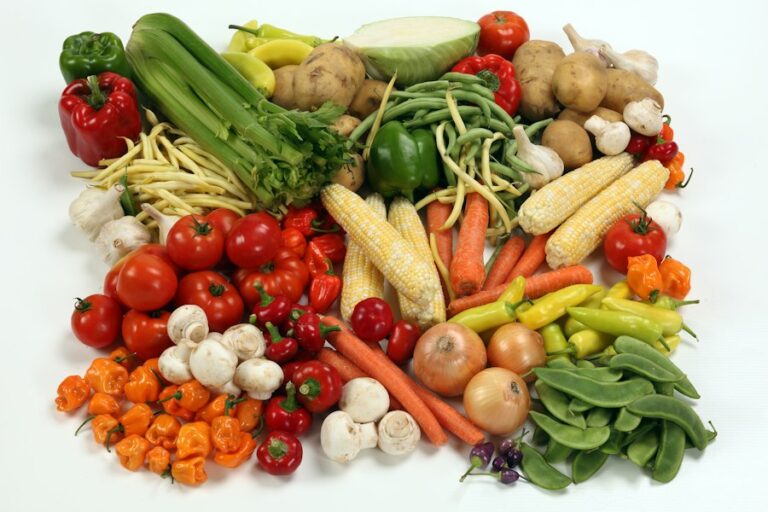
What is aerobic digestion and why does it turn food into water?
Aerobic digestion is neither a new technology nor a laboratory gimmick: it is what has always been happening in the soil. What a biodigester does is replicate that process within a controlled chamber and speed it up so that it can be completed within a working day.
