
«In less than 24 hours» is the figure usually quoted, and it is true for most of what goes into a kitchen. However, the average masks significant variations: digestion time depends on the composition of the waste, and it is advisable to be aware of these differences before selecting the appropriate equipment.
The table
| Type of waste | Digestion time |
|---|---|
| Fruits with a high water content (watermelon, melon) | 2–4 hours |
| Leafy vegetables (lettuce, cabbage) | 2–6 hours |
| Fruit (apple, banana, orange) | 4–8 hours |
| Cereals and pulses (rice, lentils, chickpeas) | 4–8 hours |
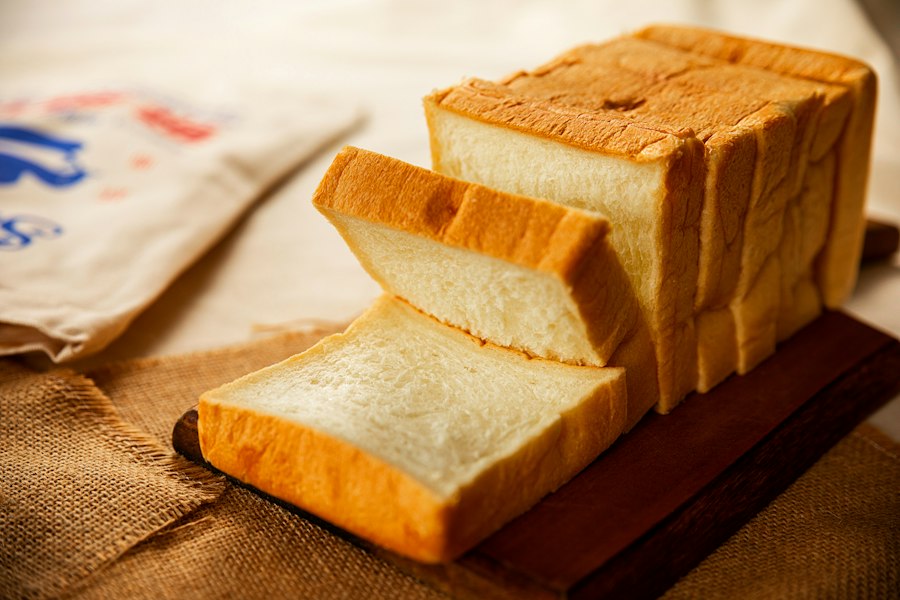
| Bread and noodles | 6 am – 12 noon |
| Cakes and starchy foods | 6 am – 4 pm |
| Poultry meat (bones less than 8 cm long) | 10 am – 8 pm |
| Fish and seafood | 2.00 pm – 10.00 pm |
| Pork and beef (bones less than 8 cm long) | 18–24 hours |
| Seafood (prawns, mussels) | 6 pm – 10 pm |
| Chunky vegetables (carrots, potatoes, celery stalks) | 20:00 – 28:00 |
What can be gleaned from these figures?
Water speeds things up, fibre slows them down
The pattern is quite clear. The more water a food contains, the quicker it disappears: watermelon and melon take around two hours. At the other end of the scale are thick, fibrous vegetables — carrots, potatoes, celery stalks — which can take up to 28 hours. A carrot takes up to fourteen times longer than a watermelon.
Animal protein is in the upper half, not at the top
It is counterintuitive, but pork and beef (18–24 hours) are digested more quickly than some coarse vegetables. What sets the limit for animal protein is not the meat but the bone: the benchmark is bones shorter than 8 cm. Shellfish shells, on the other hand, are amongst the slowest on the list.
Starch falls short
Bread, pasta and cakes take between 6 and 16 hours to produce. For a bakery or pastry shop, which mainly produce these items, this means manageable production cycles throughout the working day.
Why this matters when sizing
Two facilities that generate the same number of kilos per day may require different equipment depending on what whichever the weight in kilos may be. A seafood restaurant and a greengrocer’s with the same amount of waste do not behave in the same way inside the digester.
Two things help to ensure that this isn’t a problem in practice:
- Feeding is continuous. There is no need to wait for batches to be completed or to synchronise loads: the waste is fed in throughout the day and the process continues uninterrupted.
- The equipment weighs as much as it can hold. The four adjustable legs are fitted with load sensors that monitor in real time how much organic matter has been fed in and how much has been digested. Furthermore, with the Cloud system, this data is recorded by the hour, day and month.
It is this historical data that turns an initial estimate into actual figures, and enables operations to be adjusted over time.
If you’d like us to review your case, please let us know your sector and your approximate volume at the contact form and we looked at him.
