
Technology
How does Biorgmax work?
We convert organic waste into a hygienic, safe and sustainable end product by replicating within the system the same process that occurs in nature: aerobic digestion.
Overview
From waste to result
Organic waste
Food scraps from the kitchen, dining room or kitchen area.
Biorgmax
The equipment receives the waste on a continuous basis.
Process
Oxygen, agitation and microorganisms.
Result
Greywater discharged into the sewer system.
How it works
Machine, process, microorganisms and time
None of the four components functions independently. The equipment creates the environment, the process provides oxygen and movement, the microorganisms carry out the digestion, and the time taken depends on what goes in.
The Biorgmax team
A stainless-steel digestion chamber with a shaft and paddle arms that rotate at a constant speed. Its function is not to grind or cook: it is to maintain the optimum environment for the microorganisms to work in, with a constant supply of oxygen and stable humidity and temperature.
An inverter protects the motor by adjusting the start-up according to the mains supply, and the shaft is fitted with a sealing system that prevents water leaks.
Introduction of the waste
The waste is fed in through the loading door, which is fitted with an opening and closing mechanism. There is no need to shred or prepare it, and there is no need to wait for batches to be completed: feeding takes place continuously throughout the day.
The device’s legs are fitted with load sensors that constantly record how much organic matter has entered and how much has been digested.
Processing
The agitator continuously aerates the mixture. This continuous supply of oxygen is what makes the process aerobic, and this is why it does not produce the unpleasant odours typically associated with decomposition in the absence of air. A dosing pump injects the precise amount of enzymatic solution into the mixture during each cycle to maintain the balance of the process.
The mix of microorganisms
What are they?. A combination of 21 types of aerobic microbes, of natural origin and not genetically modified. These are bacteria similar to those that break down organic matter in the soil.
What they are used for and how they work. Micro-organisms detect the compounds present in the waste and produce the enzymes needed to break them down: proteins, carbohydrates, fats and cellulose. They live within the Biorgmax medium, which consists of star-shaped, porous pieces of olefin that increase the surface area in contact with the waste.
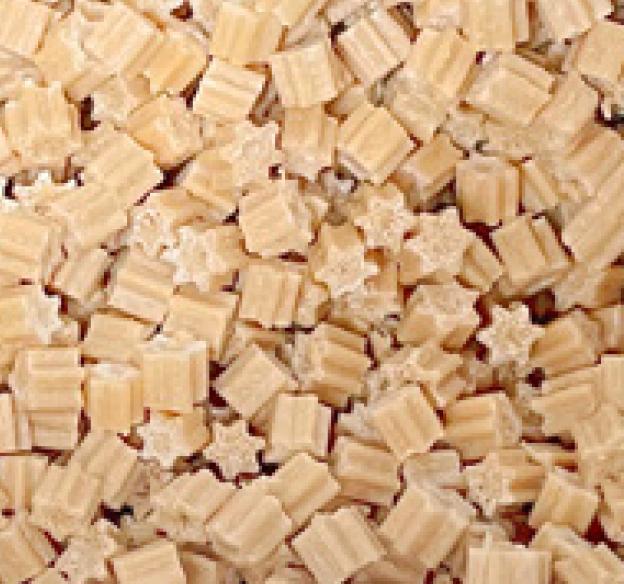
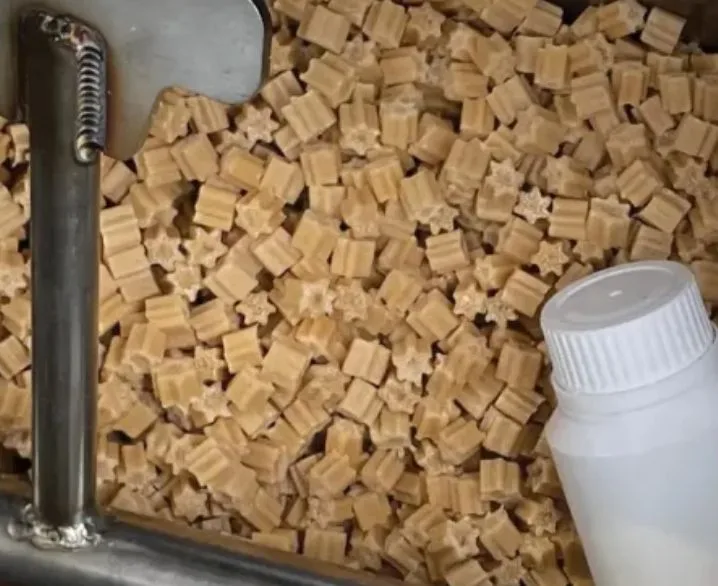
Why they are important. These are the ones that actually carry out the digestion: they gradually break down the particles until they are completely consumed. The combination is designed to handle a wide variety of waste, which is exactly what happens in a real kitchen.
Result
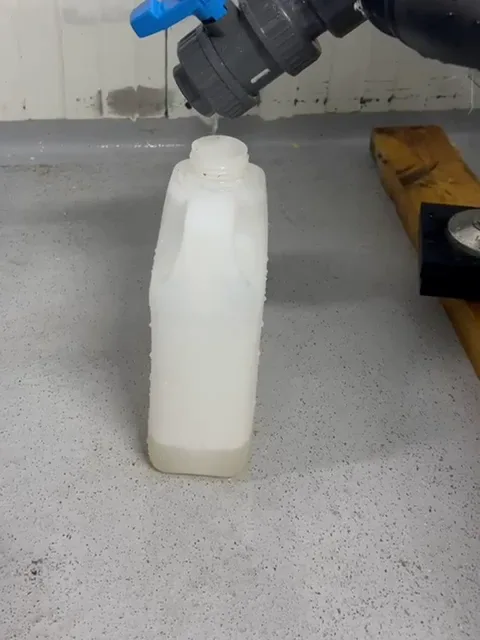
Up to 99.9 % of the food waste is converted into greywater with a reduced organic content, which is discharged from the system into the sewerage system. There is no solid waste left to remove.
Step by step
What happens to the waste?
Join the team
It is loaded through the loading door as it comes out of the kitchen. The sensors record its weight.
It’s going off
Agitation supplies oxygen, and the microorganisms produce enzymes that break the particles down into ever smaller fragments.
It turns into water
When the particles are small enough, microorganisms consume them. What remains is water containing dissolved nutrients, such as nitrogen and phosphorus.
No solid waste to manage
The process does not produce any solid waste. The only thing required is to replenish the enzymes periodically and, every few years, the Biorgmax medium.
Wastewater management
The water is discharged into the mains drainage system, which carries it to sewage treatment works. It may also be used for watering green spaces or industrial crops, provided that local regulations permit this: you should check the regulations beforehand.
Performance
Types of waste and digestion times
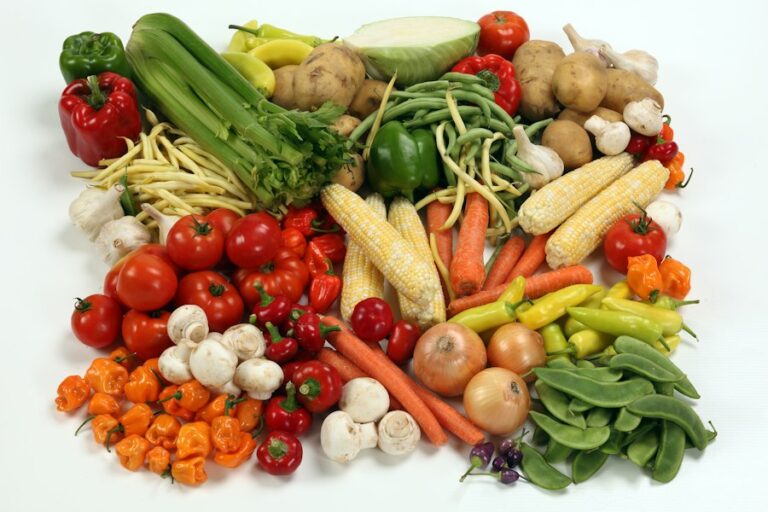
Every food takes its own time: the more water it contains, the quicker it disappears; the more fibre or bone it contains, the longer it takes.
| Waste | Approximate time |
|---|---|
| Fruits with a high water content (watermelon, melon) | 2–4 hours |
| Leafy vegetables (lettuce, cabbage) | 2–6 hours |
| Fruit (apple, banana, orange) | 4–8 hours |
| Starchy vegetables (carrots, potatoes, celery) | 20:00 – 28:00 |
| Waste | Approximate time |
|---|---|
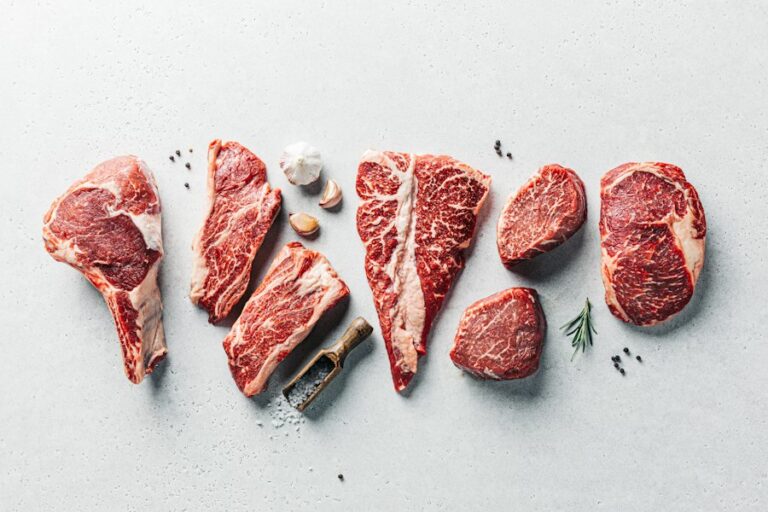
| Poultry meat (bones less than 8 cm long) | 10 am – 8 pm |
| Pork and beef (bones less than 8 cm long) | 18–24 hours |
| Waste | Approximate time |
|---|---|
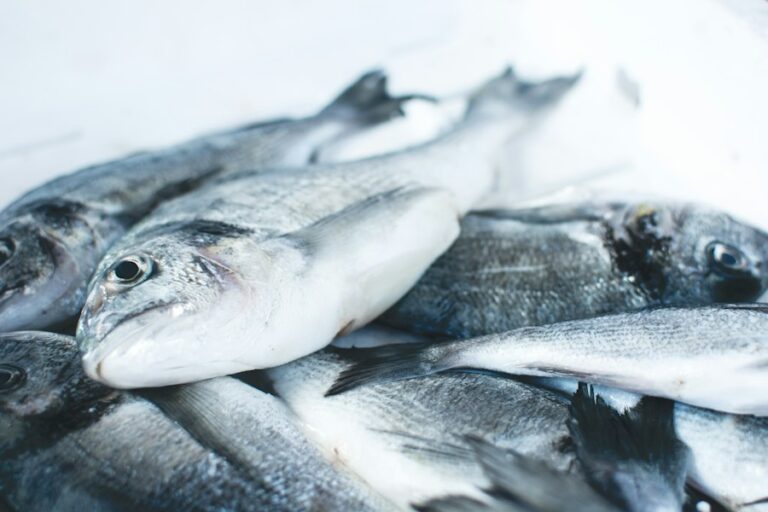
| Fish | 2.00 pm – 10.00 pm |
| Seafood (prawns, mussels) | 6 pm – 10 pm |
| Waste | Approximate time |
|---|---|
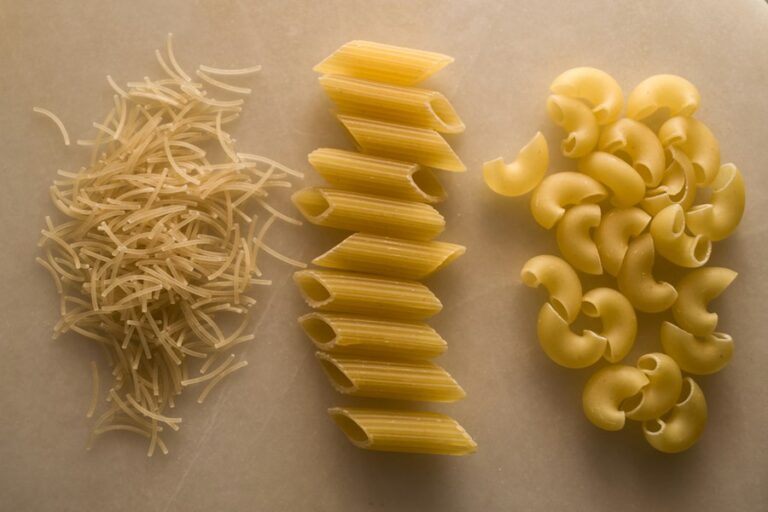
| Cereals and pulses (rice, lentils, chickpeas) | 4–8 hours |
| Pasta and noodles | 6 am – 12 noon |
| Waste | Approximate time |
|---|---|
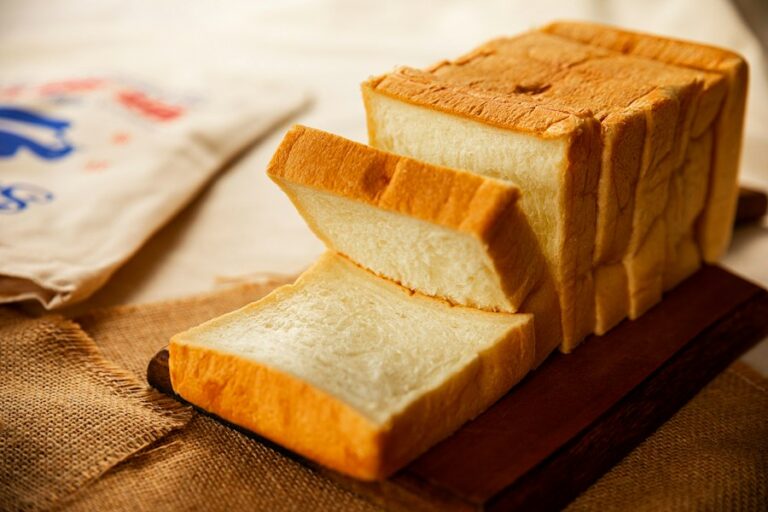
| Bread | 6 am – 12 noon |
| Cakes and starchy foods | 6 am – 4 pm |
Approximate cooking times. Actual cooking times depend on the quantity added, the composition and moisture content of the food, and how the different foods are combined.
Capacity
What does a piece of equipment’s capacity mean?
Capacity indicates how much waste the equipment can hold and process. In the DR300, for example, the hopper can hold a maximum of 300 kg.
That does not mean that any combination totalling 300 kg will take exactly the same amount of time. As the table above shows, actual performance depends on what is fed into the machine and how it is fed. Therefore, to choose the right size, the most helpful information is to know how many kilos you generate per day and what type they are.
Performance depends on
- The type of waste
- Its composition
- Its humidity
- The ratio between different foods
- How and when the team is fed
Will it fit into your setup?
Tell us what sort of waste you produce and how much, and we’ll tell you what equipment you need.
